
-
News
Ready for What's Next: Wrapping up Cycle 1 and Powering into Cycle 2
iTEC Director's Message
This summer has been a remarkable one in many ways. Across Europe, periods of extreme heat have made working from home more challenging for many of us, while on the other side of the Atlantic we came close to witnessing an iTEC “final” at the World Cup. I am confident that, across the collaboration, we all shared a clear favourite and I would like to congratulate Spain on winning the 2026 World Cup.
Meanwhile, it has been a particularly intense and productive period for the iTEC SkyNex programme. We are now close to concluding the planned software development activities for Cycle 1 and are preparing for Factory Acceptance Testing later this year. In parallel, strong progress is being made towards closing the definition phase of Cycle 2. I would like to recognise the significant effort and commitment from all air navigation services providers, Indra Group and the iTEC ‘Yellow’ Team in achieving these milestones.

At the same time, we continue to learn and evolve. Continuous improvement in our way of working remains essential, and this is already reflected in our approach for Cycle 2. The introduction of multiple parallel development branches will provide the flexibility needed to deliver the agreed scope and support deployment plans at Avinor Air Navigation Services, ENAIRE and Polish Air Navigation Services Agency. It is also encouraging to see that Cycle 1 is now being considered for initial operational deployment as a fallback system at ENAIRE . This first deployment will generate valuable experience and insights for all ANSPs as we move into Cycle 2 and beyond.
For those about to start their summer break, I wish you a relaxing and enjoyable time with family and friends. For those returning, I wish you every success as we enter the second half of what promises to be an equally important year.
iTEC Partners Sign Grant Agreement for SESAR ARTEMISA Project
The members of the iTEC Collaboration have signed the Grant Agreement for the SESAR Joint Undertaking ARTEMISA SESAR Project , formally confirming the award of the initiative and securing the full amount of the requested funding. The agreement marks an important milestone for the collaboration and paves the way for the next phase in the development of Europe’s future air traffic management systems.
Borrar imagen
With a total budget of €27.5 million, ARTEMISA (WA3.1 – Next-Generation ATS Platforms for En-Route and Terminal Area Operations) will contribute to the implementation of the European Digital Sky and support the delivery of next-generation air traffic service platforms.
ARTEMISA represents a major boost for the evolution of iTEC SkyNex and is fully aligned with the objectives of the European ATM Master Plan.
The signature of the Grant Agreement by all iTEC partners highlights the strength of the collaboration and the shared commitment of the alliance’s members to developing innovative ATM solutions. As a joint SESAR project involving all iTEC organisations, ARTEMISA SESAR Project further reinforces the cooperative model that has been at the heart of the programme since its inception.
The project is scheduled to start in September 2026 and will run for 36 months,representing a significant step forward in the continued development of iTEC SkyNex and the future of European ATM.
Final operational checkpoint opens the door to Cycle 2
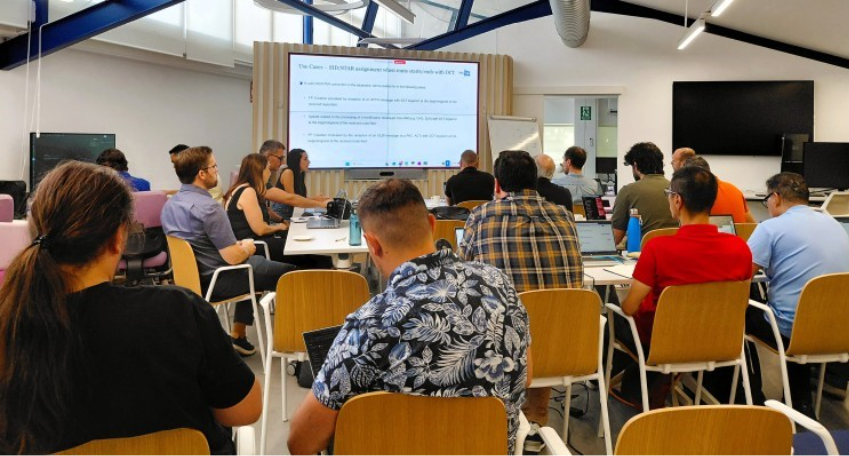
After 18 months of collaborative assessment, the iTEC SkyNex programme is approaching a major operational milestone. On 2-3 September 2026, controllers, engineers and operational experts from across the iTEC partnership will take part in the final Operational Checkpoint Evaluation of Cycle 1, completing the operational assessment programme planned for Iteration 3 and paving the way for the next phase of development.
Following the Operational Checkpoint Evaluation activity held in June at Indra Group's facilities in Madrid, the upcoming exercise, also to be held at Indra, will focus on the remaining Iteration 3 functionalities, including key capabilities such as Alerting Services and Procedural XFLs. The activity will complete the operational evaluation scope foreseen for Cycle 1 and provide valuable input for the continued refinement of the iTEC SkyNex system.
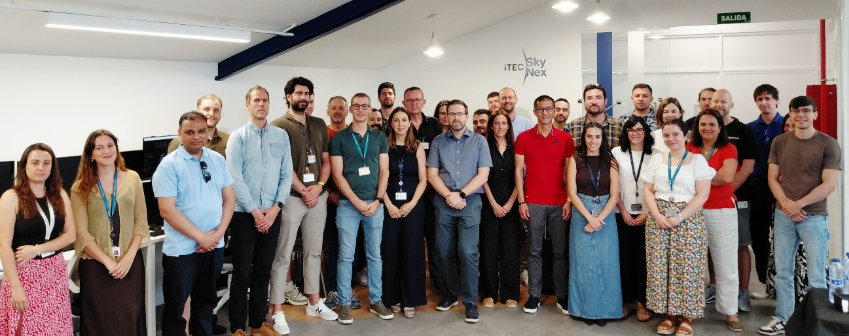
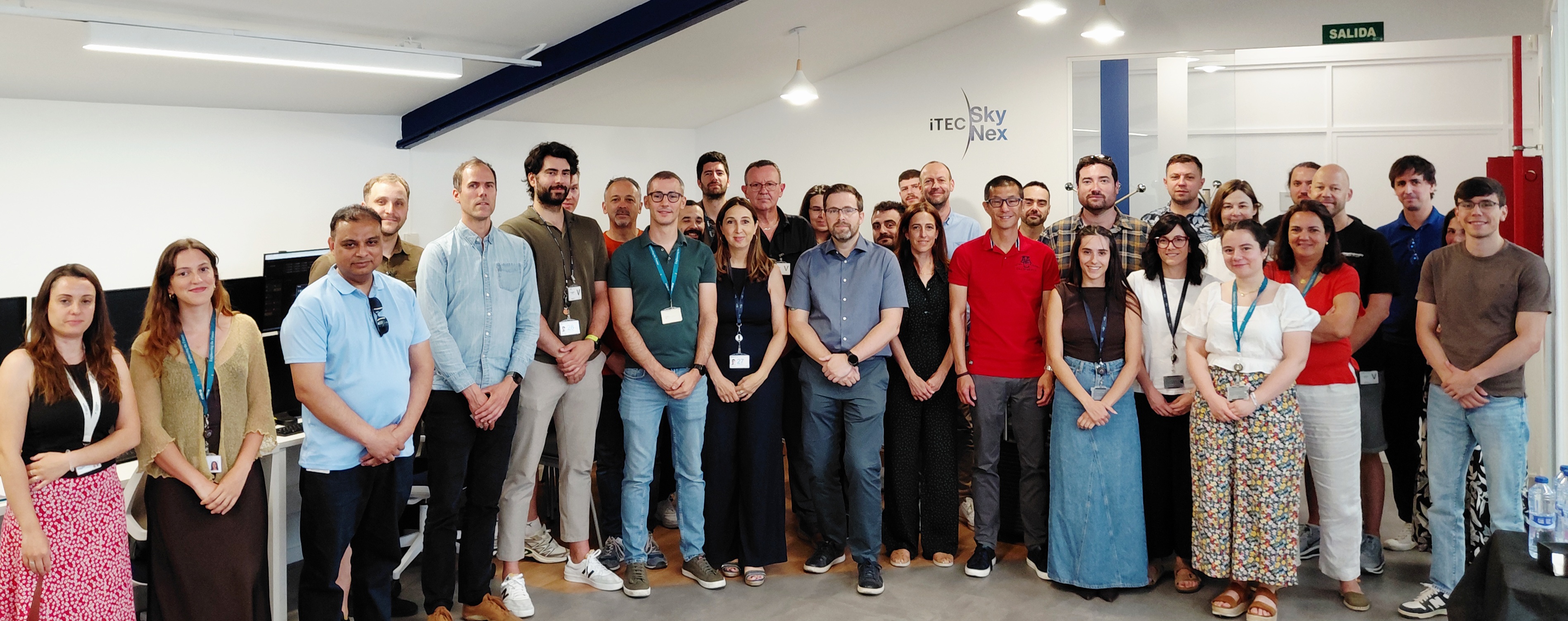
The June evaluation brought together more than 40 experts on site and around 50 participants remotely from the eight iTEC member organisations. Through advanced traffic management scenarios, participants assessed how the future system can support more predictable flight trajectories, improved collaboration between sectors and controllers, greater operational efficiency and enhanced sustainability performance.
Why Does This Final Checkpoint Matter?
The September exercise represents the culmination of an extensive operational evaluation process that has been carried out in stages over the past year and a half. Across three major operational assessment activities, controllers and engineers have worked side by side to evaluate the evolution of the software, validate operational concepts, identify emerging needs at an early stage and become familiar with future functionalities as they mature.
Beyond validating technology, these activities have created a unique environment for collaboration among the eight Air Navigation Service Providers participating in the iTEC programme. By bringing together operational and engineering communities, the evaluations have enabled the early detection of improvements, new potential needs, the sharing of ATC working practices and a deeper common understanding of iTEC System. The completion of this final Operational Checkpoint Evaluation will close the operational assessment stream planned for Cycle 1.
With the final Cycle 1 milestone on the operational side together with the technical familiarizations also conducted, the iTEC Collaboration will enter the next chapter of the iTEC SkyNex journey, building on the progress achieved so far and looking ahead to definition of Cycle 2.
Looking Ahead: Cycle 1 Final Stretch and Cycle 2 Launch
As we move out of the summer period, Cycle 1 is entering its final and most critical phase. The focus is now on formally verifying that iTEC SkyNex version 2.0 (Cycle 1) meets the agreed objectives and requirements.
A significant amount of work has already been completed to increase confidence in the solution. This includes the user thread activities, with three checkpoints, as well as formal reviews of specifications and test procedures.
Indra Group is now carrying out detailed testing to confirm that all requirements are met. This work will continue up to the FAT Readiness Review the 11th of November. The formal FAT, follow-up activities and completion of any remaining Cycle 1 items will then continue towards FAT acceptance and Cycle 1 completion the 9th of February 2027.
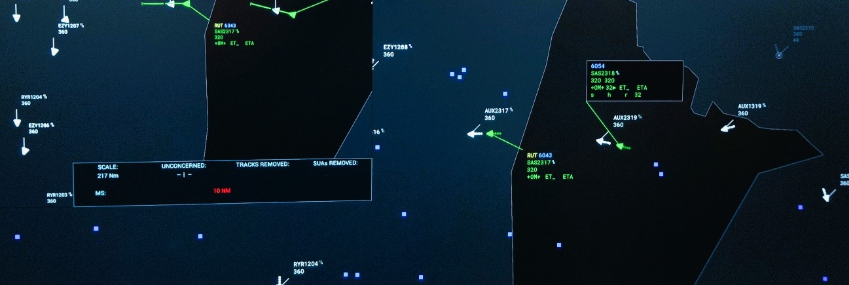
In parallel, attention will gradually shift towards Cycle 2, which is planned to formally start 1st of October. Before the end of the year, requirements must be further refined through Use Cases, and the full set of Implementation Proposals must be reviewed and approved.
The overlap between Cycle 1 and Cycle 2 will be demanding and will require close coordination across all stakeholders. This is an expected part of the iTEC SkyNex programme plan, but it also requires disciplined planning, clear delegation and active follow-up. We encourage all teams to continue discussing how we can manage risks, improve collaboration and optimise the way we work during this important period.
With Cycle 1 nearing completion and Cycle 2 about to begin, we look forward to building on the progress achieved so far and continuing this journey together towards the next chapter of iTEC SkyNex.
Ready for what’s next, we move into the months ahead with strong momentum, valuable lessons learned and a clear focus on delivering the next phase of the iTEC SkyNex programme. Thank you for being part of this journey.